

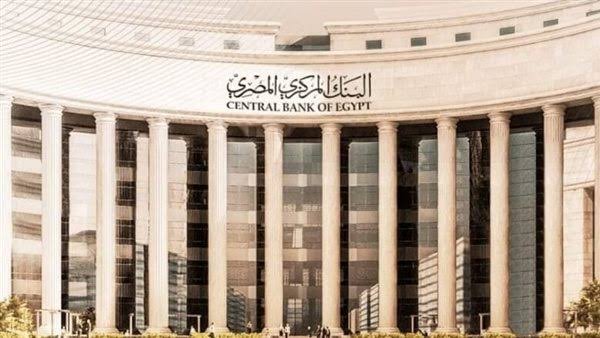
By Fathy Elsaeyh From Taqa Gate
Cairo, Egypt — The Monetary Policy Committee (MPC) of the Central Bank of Egypt (CBE) today decided to keep the key policy rates unchanged. The overnight deposit rate, overnight lending rate, and the rate of the main operation remain at 19.0 percent, 20.0 percent, and 19.5 percent, respectively. The discount rate was also maintained at 19.5 percent. This decision reflects the Committee’s assessment of prevailing inflation dynamics and the evolving outlook since the previous MPC meeting.
Globally, the outlook for economic growth has moderated amid escalating conflict in the region, which heightened uncertainty and disrupted international trade. The surge in energy and agricultural commodity prices—driven by supply-route disruptions and elevated freight insurance premia—has renewed upward pressure on inflation worldwide. In response, central banks in both advanced and emerging markets have adopted a cautious, data dependent approach, effectively pausing or slowing monetary easing. These developments are likely to weigh on external demand, increasing the risk of adverse spillovers to domestic activity. The global outlook remains highly uncertain, with the ultimate impact on growth and inflation dependent on the persistence and extent of geopolitical shocks and related supply chain disruptions.
Domestically, CBE estimates indicate that real GDP growth is expected to slow to around 4.8–5.0 percent in Q1 2026, down from 5.3 percent in Q4 2025. Growth outturns in Q4 2025 were primarily driven by positive contributions from non-petroleum manufacturing, trade and communications, which are expected to continue supporting economic activity for the remainder of FY 2025/26. However, given the adverse effects of the ongoing conflict in the region, the CBE revised its real GDP growth projection down to 4.9 percent for FY 2025/26, from 5.1 percent at the February 2026 MPC meeting. As such, output is expected to remain below potential for longer relative to previous CBE projections, and hence demand-side inflationary pressures are expected to remain subdued in the short term.
Regarding inflation developments, annual headline inflation increased to 13.4 percent in February 2026 from 11.9 percent in January 2026, with annual core inflation rising to 12.7 percent from 11.2 percent during the same period. Inflation dynamics in February exceeded their typical seasonal patterns, primarily driven by annual hikes in education tuition fees and related items. In addition, volatile food prices ticked up reflecting usual Ramadan dynamics, even as other food items remained stable.
With respect to the outlook, the current conflict in the region led to the realization of upside risks outlined in February’s MPC statement, disrupting a period of relatively stable inflation and prolonging its declining path. The conflict triggered a global energy shock and a risk-off sentiment, leading to a notable shift in the economic outlook particularly for emerging markets. The resulting pressures have manifested domestically through fiscal consolidation measures and depreciation in the exchange rate, which continues to serve as a primary shock absorber, effectively mitigating the impact of the energy shock on domestic economic activity and external buffers. Consequently, the inflation path and subsequently the CBE’s target of 7 percent (± 2 p.p.), on average, in Q4 2026 have become increasingly susceptible to upside risks, subject to a prolonged conflict and a higher-than-expected pass-through from fiscal consolidation measures.
In view of the above, the Committee has opted to pause the easing cycle and adopt a wait-and-see approach, deciding to keep the CBE key policy rates unchanged to preserve the tight monetary policy stance, given the adequately positive real interest margin. This approach will help ensure inflation expectations remain anchored, pressures are contained, and disinflation is restored. Going forward, the Committee will evaluate its monetary stance based on evolving economic conditions, with policy decisions contingent on incoming data, the forecasted inflation trajectory, and the prevailing balance of risks. The Committee will continue to remain vigilant and stands prepared to adjust its policy instruments as needed to fulfil its price-stability mandate in the medium term.
Monetary Policy Sector
monetary.policy@cbe.org.eg